Sep 3, 2026 10:44 AM
In Memoriam: Cassandra Wilson, 1955–2026
Cassandra Wilson, a singer, songwriter and producer who was one of the most acclaimed and successful jazz vocalists of…


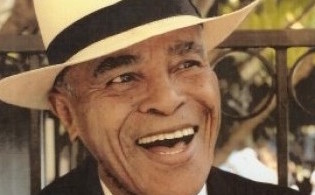
Jon Hendricks (1921–2017)
(Photo: Courtesy of the Artist)Jon Hendricks, one of the most important vocalists in jazz history, died in a New York City hospital on Nov. 22. He was 96.
Along with Dave Lambert and Annie Ross, Hendricks was a member of the popular vocal trio Hendricks, Lambert & Ross. Hendricks was one of the pioneers of vocalese, the practice of writing lyrics for existing instrumental compositions. Among the standards for which he wrote lyrics are “Along Came Betty,” “Desifinado” and “No More Blues.”
A master of singing, scatting and crafting vocalese, Hendricks was revered by generations of jazz vocalists. Singer Kurt Elling posted this message on his Facebook page: “Full peace at long last to 96 yr-old genius, Jon Hendricks. Artist, Poet, Singer, Father, Teacher, Friend. Thank You. May my own work honor you.”
Among the solo albums in Hendricks’ discography are Cloudburst (1972), Tell Me The Truth (1975) and Love (1982).
Hendricks was named an NEA Jazz Master in 1993. In 1986 he and Bobby McFerrin won a Grammy in the category Best Jazz Vocal Performance, Male for their work on the track “Another Night In Tunsia,” from The Manhattan Transfer’s album Vocalese. Hendricks composed lyrics for the album, which is one of the most acclaimed titles in The Manhattan Transfer’s discography.
Born John Carl Hendricks on Sept. 16, 1921, in Newark, Ohio, the singer later dropped the letter h from the spelling of his first name. He served in the U.S. Army during World War II, and later worked as a jazz critic.
To read a DownBeat report of Hendricks’ vocalese re-scoring of the Miles Davis album Miles Ahead, click here.
Below is an edited excerpt of the biographical essay that is posted at Hendricks’ NEA Jazz Master web page.
Jon Hendricks helped create the singing style known as “vocalese,” or crafting songs and lyrics out of the note sequences of famous jazz instrumental solos, as a member of the great jazz vocal ensemble Lambert, Hendricks & Ross. A gifted lyricist, he added words to classics by Count Basie, Horace Silver, Miles Davis, and Art Blakey, brilliantly mirroring the instrumental effects.
He grew up largely in Toledo, Ohio, one of 17 children. His singing career began at age 8 at parties and dinners. Later he sang on a radio show on which he was occasionally accompanied by another Toledoan, the great pianist Art Tatum. Returning home from service in the U.S. Army, he studied at the University of Toledo and taught himself to play drums.
In 1952, he relocated to New York and found his initial work as a songwriter, working for such artists as Louis Jordan and King Pleasure. One of his earliest recordings came on a version of the Woody Herman band feature “Four Brothers.”
His collaboration with vocalist Dave Lambert began in 1957 when he re-recorded “Four Brothers,” which led to their association with singer Annie Ross on a collection of Count Basie songs. Sing A Song Of Basie, using innovative multitracked arrangement of vocals, became a hit when released in 1958 and gave birth to Lambert, Hendricks & Ross as a full-time act.
[The trio] subsequently toured with the Basie band and were a top-selling act for nearly four years, until Ross left the band. Lambert and Hendricks continued for a while with new singer Yolande Bavan, eventually breaking up in 1964.
Hendricks found work as a soloist, then moved to England in 1968. In the early 1970s he put together another trio, this time with wife Judith and daughter Michelle, an arrangement he has occasionally revisited over the years.
Evolution of the Blues, an extended stage work Hendricks had first performed with Lambert and Ross at the Monterey Jazz Festival in 1960, went on a five-year run at the Broadway Theatre in San Francisco in the 1970s.
Thereafter he took a variety of university teaching positions in California, and continued to work with Judith, Michelle, and youngest daughter Aria, with occasional male singers such as Bobby McFerrin, Kevin Burke, and Miles Griffith.
Also, he was one of three singers in Wynton Marsalis’ Pulitzer Prize-winning oratorio, Blood On The Fields.
To visit Hendricks’ NEA Jazz Master web page, which also contains an interview and a select discography, click here. DB
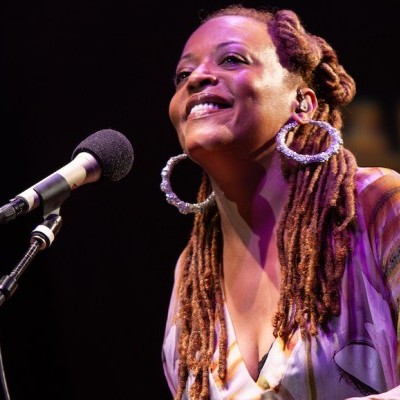
Wilson’s ability to connect to audiences helped her to win two Grammy awards and multiple other accolades. She was named an NEA Jazz Master in 2022.
Sep 3, 2026 10:44 AM
Cassandra Wilson, a singer, songwriter and producer who was one of the most acclaimed and successful jazz vocalists of…
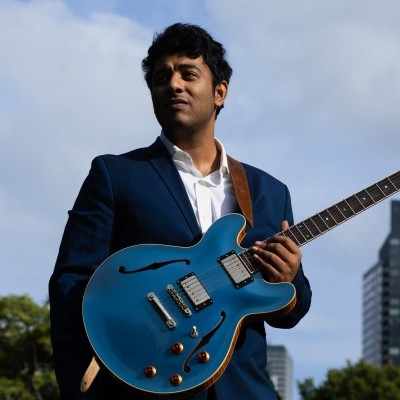
“The love from the jazz and music community restored my faith in humanity,” Walia wrote in an online post upon his release from detention at an ICE facility.
Aug 18, 2026 2:15 PM
Indian jazz guitarist and composer Pritesh Walia has been released after being unexpectedly detained by ICE and taken…
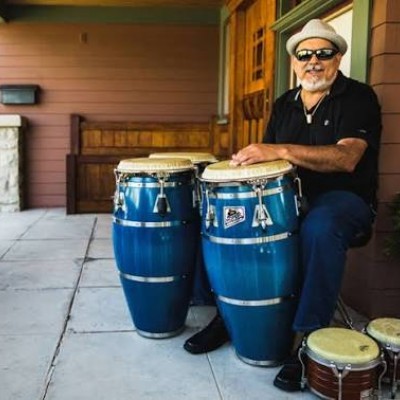
Percussionist Poncho Sanchez was among the artists scheduled to perform at the now-canceled inaugural LA Jazz Festival.
Aug 11, 2026 12:53 PM
The inaugural LA Jazz Festival, originally scheduled to run Aug. 7–23 with dozens of events across Los Angeles’…
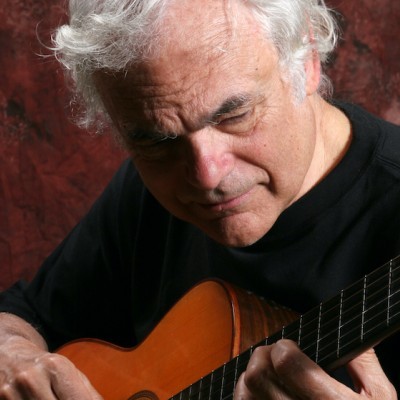
Bertoncini was a specialist and advocate for the nylon-string acoustic guitar, turning down high-profile opportunities that were unsuited to the sound and techniques that he used with that instrument.
Sep 1, 2026 11:06 AM
Gene Bertoncini, an esteemed jazz guitarist, composer, arranger and educator, died Aug. 29 at the Lillian Booth Actors…
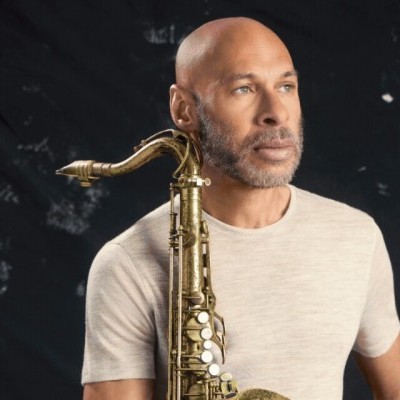
A solo concert by saxophonist Joshua Redman will close the first night of the Hyde Park Jazz Festival on Sept. 26.
Sep 22, 2026 12:26 PM
The Hyde Park Jazz Festival will take place for the 20th time on the final weekend of September 2026. Beginning half…